

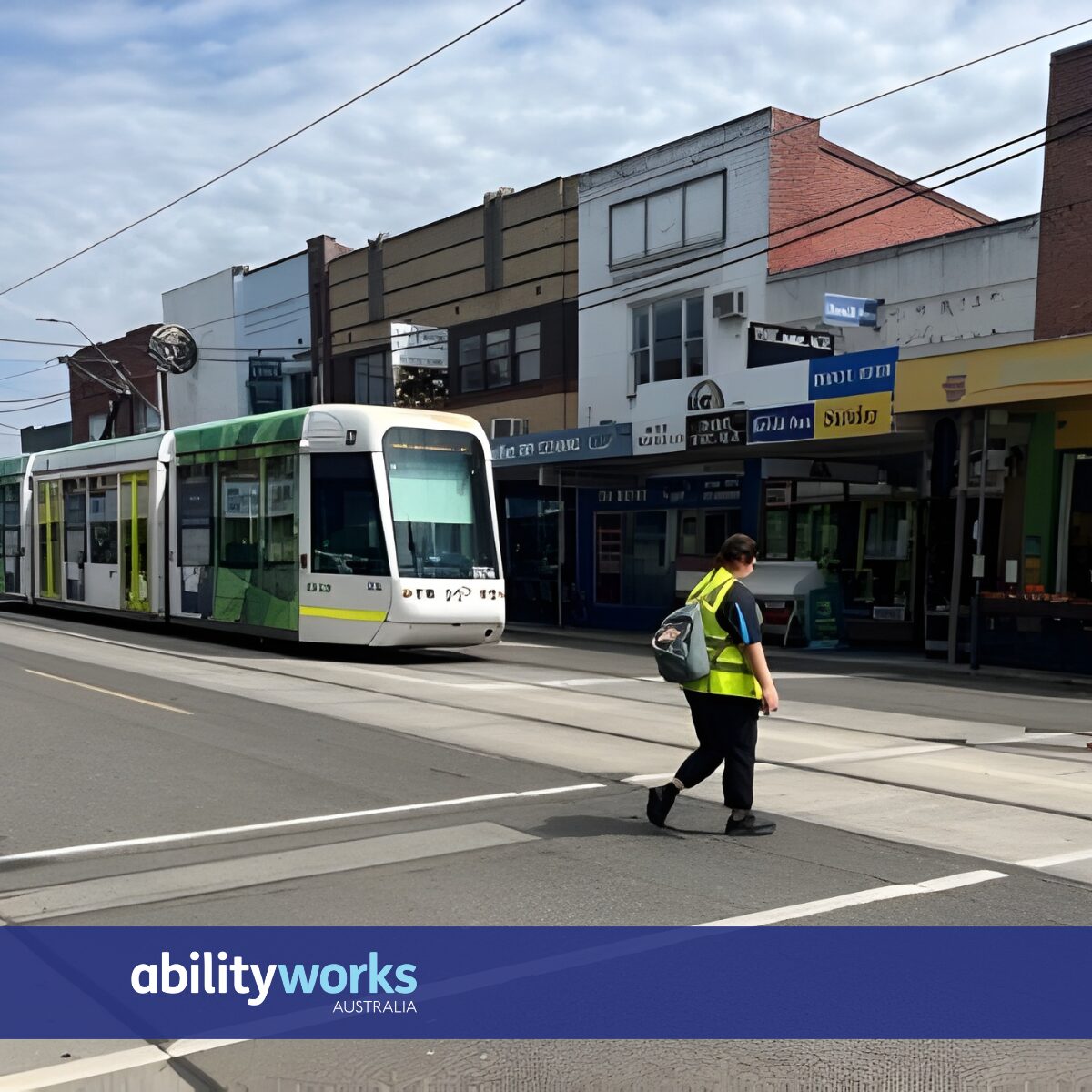


Shaping a more accessible North Balwyn Shopping Village
Shaping a more accessible North Balwyn Shopping Village
Ability Works was engaged by the City of Boroondara to review the inclusivity of the car park and surrounding streetscape at the North Balwyn Shopping Village – a busy, community focused precinct used by people of all ages and abilities throughout the day and evenings.
Our goal was simple: To understand how people with disability and access needs experience the space and identify practical ways to make the shopping strip safer, more comfortable and more accessible for everyone.
A human-centred approach to public spaces
Inclusive design recognises that people move through public spaces differently depending on their abilities, identities and circumstances. Instead of designing for an “average” user, it asks: Who might experience barriers here, and how can we remove them?
Hint: it’s by involving them in the design process.
This review placed individuals with disabilities at the centre. Participants from Ability Works and our Inclusive Insights Platform [External Link] visited the precinct to share firsthand feedback on how easy – or difficult – it was to navigate the area. The group included a variety of ages, genders, a wheelchair user, people with low vision, neurodivergent participants, and people with hearing loss and communication access needs.
What participants explored on site
Together, the group assessed key features that shape everyday access and independence:
- Accessible carparking and loading spaces
- Pedestrian crossings and driver visibility
- Footpaths, gradients and signage
- Seating, shelter and rest points
- Side street quiet zones
- Access to public toilets
Their insights highlighted how small design decisions can have a significant impact on safety, dignity and confidence.
What the review uncovered
The lived experience feedback revealed several opportunities to strengthen accessibility across the precinct:
- Accessible parking – Current bays do not provide enough rear loading space for wheelchair users to safely exit and enter vehicles.
- Access to shops – Outdoor dining areas arranged within a dedicated zone can make it easier for wheelchair users to move through the space, especially where step free access is limited.
- Shade and shelter – Selecting trees that offer reliable shade and rain protection is essential for comfort, particularly in large car parks.
- Pedestrian crossings – Crossings should be positioned where drivers have clear sightlines. Tactile indicators and reflective signage are important for people with low vision and improve safety for everyone.
These findings reflect what we see across many local centres: when design considers the full diversity of users, public spaces become more welcoming and intuitive for the whole community.
How this work will shape future improvements
The insights gathered through this review give designers, planners and architects a clearer understanding of how their decisions affect people with diverse access needs. Hearing lived experience directly helps identify challenges early and supports practical, meaningful improvements.
The City of Boroondara will use these findings to inform an updated Shopping Centre Improvement Plan – ensuring future upgrades to the North Balwyn Shopping Village are grounded in real community experience.
Our leading work was profiled in the Boroondara Bulletin (April/May 2026), featuring Livian Hunt on the cover and an article with our approach and findings.